The Case for Rest: Why Doing Nothing Is a Skill
5 min readWe've built an entire culture around productivity, optimization, and hustle. But what if the most powerful thing you could do today is absolutely nothing?
TL;DR
Rest isn't laziness—it's a skill most of us were never taught. Research shows that deliberate rest (walks, staring out windows,发呆) improves problem-solving, creativity, and long-term productivity. The goal isn't to do less; it's to rest intentionally so you can live and work better.
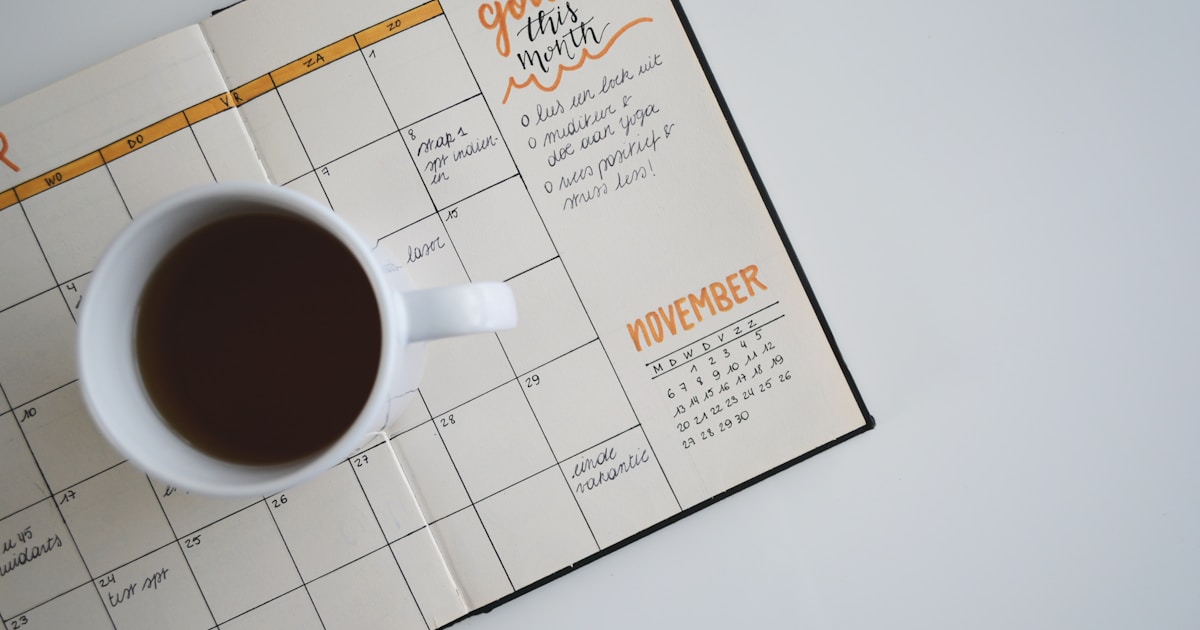
The modern world has a complicated relationship with rest. We celebrate the early risers, the side-hustlers, the people who wake up at 5 AM to squeeze in a workout before a 12-hour workday. Rest has been rebranded as laziness, and productivity has become a moral virtue.
But here's what we've gotten wrong: rest isn't the absence of productivity. It's an investment in it.
The Myth of the Hustle Culture
The "hustle culture" narrative tells us that value comes from output—that every hour must be optimized, every minute accounted for. If you're not producing, you're falling behind.
This is a lie dressed up as motivation.
Neuroscience tells a different story. The brain's default mode network—the system that activates when you're not focused on external tasks—is responsible for memory consolidation, self-reflection, and creative insight. You know those moments when you're in the shower and suddenly solve a problem you'd been stuck on for days? That's your default mode network at work.
You can't access that state while doom-scrolling, checking emails, or "productive reading." You access it by doing something that's, by most definitions, useless: staring at clouds, doodling, taking a walk with no destination.
What Intentional Rest Actually Looks Like
The first step is distinguishing between rest and passive consumption. Sitting on the couch watching three hours of Netflix isn't rest—it's low-grade stimulation that keeps your brain in passive-reception mode.
Intentional rest means activities that:
- Activate the default mode network — walking, swimming, sitting in nature
- Allow your thoughts to wander — the shower, the commute, the aimless drive
- Involve gentle physical movement — stretching, yoga, a slow bike ride
- Engage without demanding — listening to music, cooking, coloring
The common thread: these activities demand very little from your prefrontal cortex. They give your brain permission to wander, process, and integrate.
The Counter-Intuitive Evidence
Studies of high performers across domains—from chess grandmasters to elite athletes—consistently show the same pattern: rest and recovery separate the good from the great. Chess players who walked between games made better decisions. Athletes who slept more performed better. Writers who took regular breaks wrote more words total.
The research on incubation periods in creativity is particularly striking. In one study, participants who were allowed to rest before tackling a creative problem solved it significantly better than those forced to work straight through. The rest group didn't just perform marginally better—they performed twice as well.
Learning to Do Nothing
Here's the uncomfortable truth: for most people, doing nothing is genuinely difficult. Your phone is always within reach. Your todo list is always running. Your brain is always on.
The skill of rest is actually a skill of tolerating emptiness—sitting with yourself without distraction, without purpose, without productivity. It's unfamiliar. It can feel uncomfortable at first, like flexing an atrophied muscle.
Start small:
- 5 minutes of sitting outside with no phone
- One walk per day with no destination or podcast
- The shower thought—instead of playing music, just stand there
The goal isn't to clear your mind (that's nearly impossible). The goal is to let your mind wander without a leash.
The Real ROI of Rest
Let's be practical. If you're an entrepreneur, employee, parent, or anyone with real responsibilities, you need to justify even your rest. Here's the business case:
People who take regular breaks report higher job satisfaction, better decision-making, and lower burnout rates. Sleep-deprived executives make measurably worse calls. Overworked teams produce more errors, not more output.
Rest isn't a retreat from your goals. It's how you sustain the energy to pursue them.
The Bottom Line
We've confused movement with progress. Busyness with importance. Output with value.
The most successful people I've studied don't work more hours—they work more intensely, then they rest more completely. They're not exceptions to the rule. They're proof of it.
So today, try doing nothing. Not as a reward for productivity, but as the thing that makes productivity possible. It's not lazy. It's strategic.
It's a skill. And like any skill, it gets better with practice.
Keep Reading

Why Sleeping More Isn't Lazy — It's the Smartest Thing You Can Do
Sleep isn't a luxury. It's the foundation everything else runs on.

Why Rest Days Are Not Optional: The Science of Recovery
Your body doesn't build muscle in the gym. It builds it while you're resting.