The Slow Fashion Revolution: How to Build a Wardrobe That Lasts
8 min readWalk into any fast fashion store and you will find garments made to fall apart. Seams that unravel after three washes. Colors that fade before you have worn the piece enough to justify buying it. The business model is simple: sell you more by designing less.
TL;DR
Slow fashion is not minimalism — it is cost efficiency. A $300 pair of boots resoled twice costs less per wear than $80 boots replaced four times. Prioritise natural fibres, construction quality, proper fit, and proper care. The average garment is worn just 7 times before disposal. You can do better.
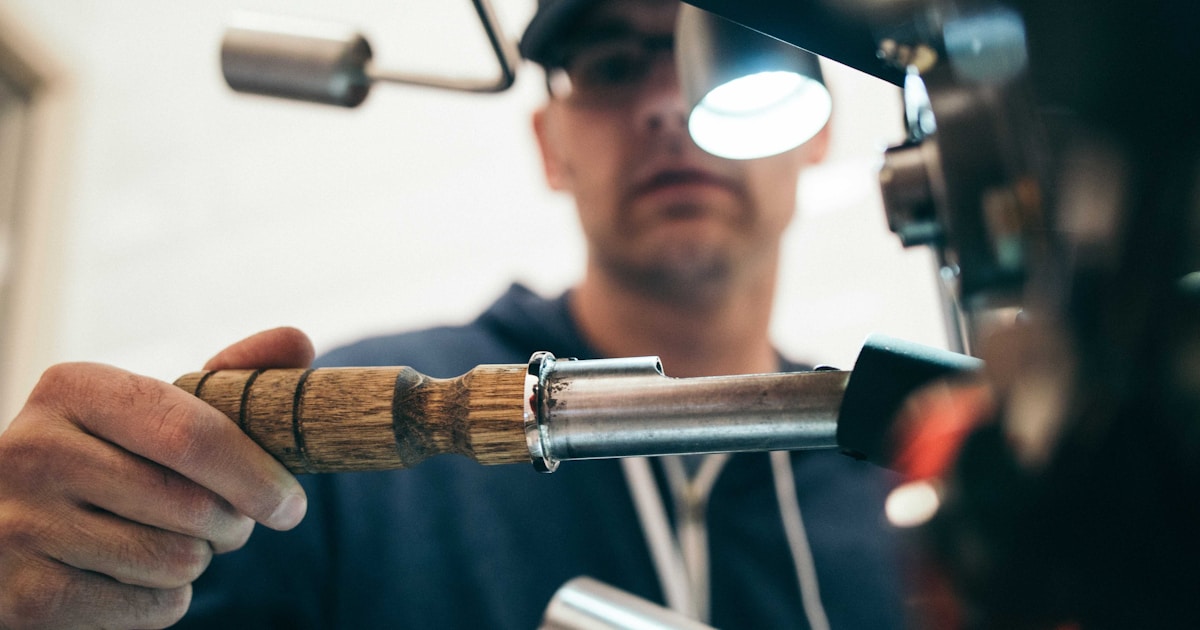
This is not an accident. It is engineering.
The average garment in 2026 is worn just seven times before being discarded. Seven. That is not a fashion problem — it is a design philosophy built into every $12.99 shirt on the rack. The slow fashion movement is pushing back against this, and it is gaining serious momentum.
What Exactly Is Slow Fashion?
Slow fashion is the deliberate choice to buy less, choose better, and make clothes last. It borrows from the slow food movement: quality over quantity, provenance over price, craft over convenience.
The opposite is not vintage or second-hand — it is simply the default. Fast fashion produces approximately 92 million tonnes of textile waste annually, according to the Ellen MacArthur Foundation. That number is climbing, not falling.
Slow fashion is not about spending more money upfront. It is about shifting your relationship with clothing entirely. The cost per wear becomes dramatically lower even when the initial price is higher.
The Numbers Do Not Lie
A $300 pair of leather boots resoled three times over 15 years costs less per wear than a $40 pair replaced every 18 months. The math is straightforward, but the upfront barrier trips most people up.
Here is what the data says about slow fashion in 2026:
- Textile waste: 92 million tonnes per year globally (Ellen MacArthur Foundation)
- Average garment wears: 7 times before disposal (Wrap UK)
- Fashion industry carbon footprint: 10% of global carbon emissions (UN Climate Change)
- Cost per wear of quality vs fast fashion: 83% lower over 5 years (British Fashion Council study)
- Estimated $460 billion lost annually from discarding clothes prematurely (Pulse of the Fashion Industry report)
The industry is also responding to pressure. EU regulations passed in 2025 now require brands to disclose garment lifespan and repairability scores. Greenwashing — when brands claim sustainability without substance — now carries legal risk in Europe. This matters because it changes what companies will actually do versus what they will merely say.
A new generation of shoppers is driving this shift. Gen Z consumers, according to a 2025 McKinsey survey, rank sustainability as their second-highest priority when purchasing fashion — right after price. They are not buying more. They are buying differently.
The Four Pillars of Building a Lasting Wardrobe
1. Fabric First
Natural fibres age gracefully in ways synthetics cannot match. Cotton, linen, wool, and silk decompose naturally and improve with wear. A well-worn linen shirt develops character. A polyester shirt pills, smells, and loses shape after 30 wears.
Synthetics — polyester, nylon, acrylic — shed microplastics with every wash and take hundreds of years to break down in landfill. They also tend to trap odour more than natural alternatives. The performance gap in activewear is narrowing, but for everyday clothing, natural fibres win on longevity.
For activewear where synthetics often outperform (moisture-wicking, compression, durability), choose brands with established recycling programs like Adidas with its Parley collaborations or Nike's Rehaul initiative. These programs address the end-of-life problem even if they do not eliminate it.
2. Construction Matters More Than Brand
A designer label on poorly constructed clothing is still poorly constructed clothing. Turn garments inside out before buying. Check for:
- Seams that are straight and reinforced at stress points (armholes, collar, waist)
- Fabric weight appropriate for the garment's purpose
- Buttons and hardware that feel substantial (cheap metal stains and breaks)
- Patterns that align at seams (indicates care in production)
- Fabric density — hold it up to light, see how much shines through
These details determine how a garment holds up over years, not months. A good test: gently pull on opposite sides of a seam. If the thread stretches more than the fabric, move on. The seam will fail first.
3. Fit Is Non-Negotiable
Clothes that do not fit properly get worn less and disposed of faster. This seems obvious but most people compromise on fit to accommodate sales, trends, or unrealistic sizing.
Buy for your body as it is now, not as you imagine it will be. If something requires alteration to fit properly, factor alteration costs into your decision. A $200 garment that fits perfectly will outlast and outperform a $50 compromise.
The most common fit mistakes: buying too large and planning to shrink (does not work), buying for an aspirational weight (usually never reached), and ignoring shoulder fit (impossible to alter).
4. Care Changes Everything
The same garment can last three years or ten depending entirely on how you wash and store it. Cold water, air drying, and gentle cycles extend fabric life dramatically. Professional cleaning for delicate or structured pieces costs less than replacement.
Basic repairs that add years to garments most people discard: sewing on buttons (takes 5 minutes), fixing loose seams (10 minutes with a needle and thread), replacing worn elastics (under $5 and 15 minutes), and waterproofing leather boots annually.
The Capsule Wardrobe Approach
The most effective framework for slow fashion is the capsule wardrobe: a curated collection of versatile pieces that work together. The exact number varies — some say 25 essential pieces, others advocate for 50 — but the principle is the same: fewer, better pieces.
A 2025 survey by ThredUp found that women own an average of 103 items but regularly wear only about 20. That is 83 garments that absorb closet space, financial resources, and decision energy without being used.
The capsule approach does not mean monochromatic minimalism. It means intentionality. Every piece earns its place. The goal is a closet where everything gets worn and everything works together.
Building a capsule starts with auditing what you own. Pull everything out. Separate into three piles: keep and wear, repair and keep, discard. The discard pile reveals what you actually reach for. The gap between that and what you own is the problem capsule wardrobes solve.
Where to Shop Differently
The slow fashion ecosystem has expanded significantly. Options that did not exist or were niche five years ago are now mainstream:
Repair and tailor services — Websites like Sojo in the UK connect customers with local tailors for repairs. The Restart Project runs repair cafes across Europe. These services make extending garment life genuinely convenient. In the US, Tailor Maid and The Reset have similar models.
Secondhand platforms — Depop, Vinted, and ThredUp have normalised secondhand fashion for younger demographics. Poshmark reports that 2025 was its highest-volume year ever. The stigma is gone — buying secondhand is now aspirational, not compensatory.
Rental for occasion wear — For events where you need something specific and will wear it once, fashion rental eliminates the disposal problem entirely. Armoire and Nuuly are scaling fast in the US. For formalwear, Rent the Runway still dominates.
Transparent brands — Everlane, Patagonia, and Reformation have built entire brands around supply chain transparency. They publish factory lists, explain material sourcing, and stand behind construction quality. They are not perfect, but they are ahead.
Quality-focused mid-range — Brands like COS, Arket, and Other-Stories occupy the space between fast fashion and luxury, offering genuine construction quality at accessible prices. Their garments are not cheap, but they are designed to last.
The Honest Pushback
Slow fashion is not accessible to everyone. The upfront cost is real, and for people on tight budgets, cheap fast fashion is not a preference — it is a constraint. A $300 jacket is simply not an option when rent is due.
This is a valid criticism and one the movement has not fully reckoned with. The narrative sometimes skews toward personal responsibility when the real lever is systemic.
The solution is not to shame people for buying cheap. It is to push for policy changes: extended producer responsibility (making brands pay for end-of-life), minimum quality standards, and circular economy infrastructure that makes repair affordable and recycling convenient.
Individual choices matter, but 92 million tonnes of annual waste will not be solved by consumer behaviour alone.
Bottom Line
The slow fashion revolution is not about aesthetic minimalism or moral purity. It is a practical recognition that the way we have been buying clothes does not work — for our wallets, our planet, or our sanity.
Start with one replacement: the garment in your closet that has failed you most often. Find its better-made alternative. Buy once, and be done.
The $300 boots you resoled twice cost less than the $80 boots you replaced four times. That is the entire argument. Everything else is commentary.
Sources: Ellen MacArthur Foundation (2025 Textile Report), Wrap UK (Garment Lifetime Study 2026), UN Climate Change (Fashion Industry Emissions Data), British Fashion Council (Cost Per Wear Analysis 2025), ThredUp (2025 Resale Report), McKinsey (Gen Z Fashion Survey 2025), Pulse of the Fashion Industry (2026 Update)


